
Get to Know Dr. Raleigh Q&A
Below is a closer look at the inspiration, values, and approach that shape the care I offer at Polaris Collective Wellness.
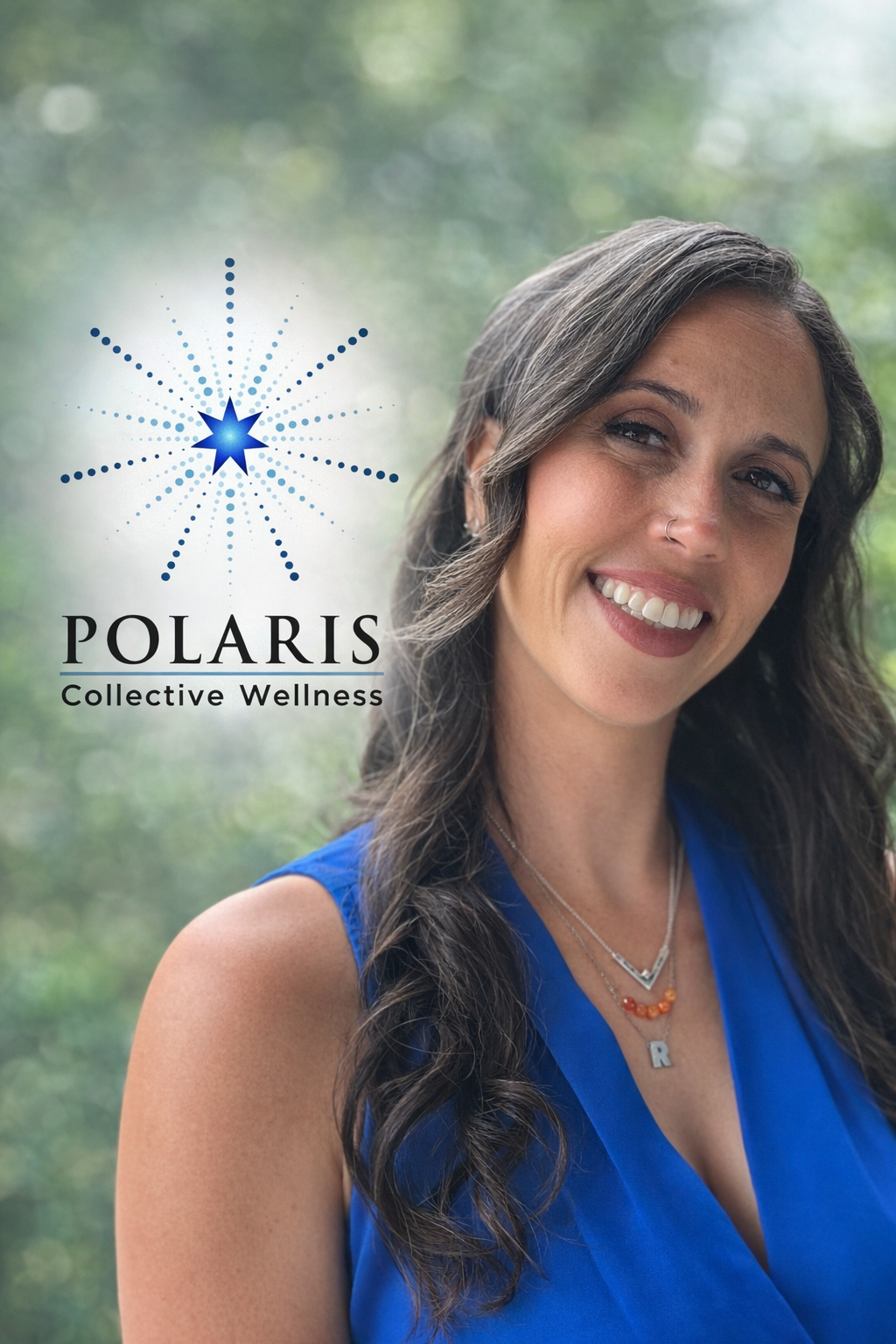
Dr. Raleigh Warren
Background and Inspiration
What initially drew you to chiropractic care as a profession?
I’ve been adjusted my entire life since I was 6 weeks old, and it just always fascinated me. I loved how much it helped me.
Where did you complete your chiropractic training, and how did your education shape your philosophy of care?
Life University in Marietta, GA. I think being on 7+ prescription medications by age 21 and realizing it wasn’t going to get any better played a big role. I had a degree in psychology and knew I always wanted to help people and kids, but I wasn’t sure how to do that. I soul-searched, asked a lot of questions, and finally, my aunt suggested I work with her to see how I felt about chiropractic care, and the rest was history.
I started at Life University in 2011. They have a very vitalistic and philosophically based mindset, which helped a lot, along with my aunt, who has been a big mentor for me.
What gaps in traditional healthcare were you hoping to address through your business?
Co-management, which is still lacking and still a struggle. I want patients to feel heard and seen and to have their needs and root causes addressed instead of just being cycled through the system and put on more drugs or more surgeries. I want to give them other options they didn’t think of or know about and help them learn that their body is strong and capable.
What do you love most about practicing in the Portland metro area?
I love how open and holistic it tends to be. People here are generally much more open and interested in things outside of Western medicine and are willing to try new things. In Oregon, chiropractors have one of the largest scopes of practice, which does make it easier in some ways. People tend to have a more holistic mindset here compared to the South.

Philosophy and Patient Experience
When you envisioned your clinic, what kind of patient experience did you want to create?
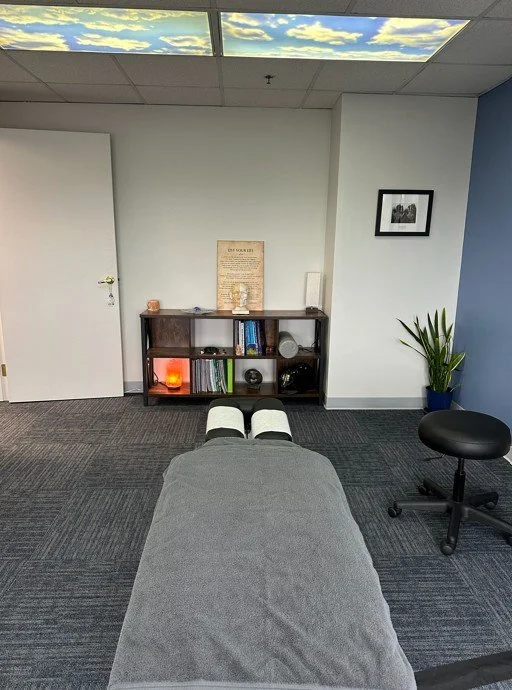
One where they are seen, heard, and safe. I want people to enjoy their time in the office and not feel a rushed vibe. It should be a place where you’re excited to come to your appointment and know that whatever the issue is, somehow we will find answers and give you the support that is lacking. I want to teach people about their bodies so they can have a better relationship with themselves and learn to advocate for themselves.
How do you define “whole-body wellness” in your practice?
Whole-body wellness doesn’t necessarily mean you are devoid of illness or pain. Rather, it means recognizing there may be areas to address and approaching them with a holistic mindset. Feeding your body light, healthy food, water, positive thoughts, and a healthy mindset are huge. Thought patterns are truly where it all starts.
How you think, treat, and believe about yourself and your body are huge. Supplements and taking time to pour into yourself are important too. It’s what you surround yourself with—the people, the environment, your thoughts, what you eat, drink, and do. It’s a collection of actions, hence “collective.”
What core values guide the way you care for patients?
You can’t pour from an empty cup. It’s self-love, not selfish, to take care of yourself. Become your own best friend—meaning the things you say to yourself or about yourself, I hope you wouldn’t say to your best friend. So why do you get to treat yourself like that? The thoughts we have create inflammatory pathways that can either help or hinder your healing process. If you think you won’t get better, you’re right.
How do you build trust with someone who may be new to chiropractic?
I will typically chat with them on the phone or offer an initial consultation that is complimentary. This allows them to come in and talk with me for about 20 minutes to see if they feel comfortable in the space and with me, and vice versa. I want to make sure it’s the right fit for both parties, and there is never any pressure to start or commit to something. I suggest you decide.
What do you hope patients feel when they walk into your office?
Calm, happy, seen, heard, safe, excited, peaceful, relaxed, home.
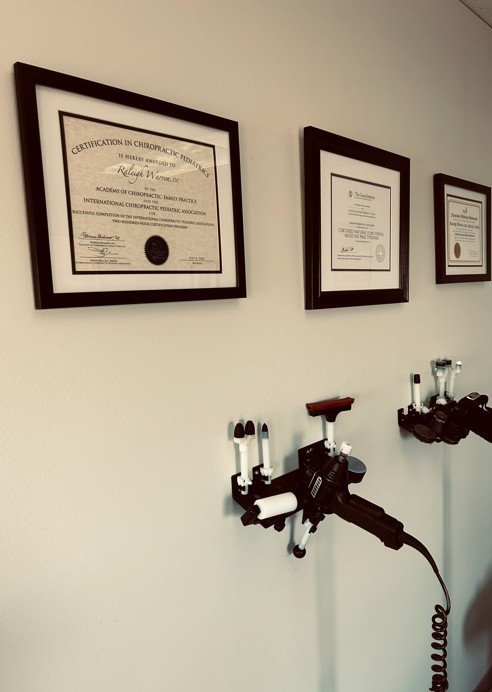
Therapies and Approach to Care
What makes chiropractic care such a powerful tool for restoring function and balance?
Chiropractic care is powerful because it addresses one of the most important control systems in the body: the nervous system. The spine protects the spinal cord, which serves as the communication highway between the brain and every organ, muscle, and tissue. When spinal joints lose proper alignment or mobility, that communication can become less efficient.
By restoring alignment and motion to the spine, chiropractic adjustments help improve nervous system function. When the nervous system communicates clearly, the body is better able to regulate inflammation, coordinate movement, support healing, and maintain internal balance.
How do services like chiropractic adjustments, red light therapy, and oxygen therapy align with your long-term vision for patient care?
They are synergistic therapies and allow the body to heal naturally. Even if surgery or medications are needed, they can help support the body alongside those treatments. Modern medicine is incredible, but there are times when additional support is needed. These therapies help fill those gaps and remind patients that surgery isn’t always the first answer.
Even when surgery is necessary, there are things you can do before and after to support healing and recovery.
How does red light therapy support tissue repair, inflammation reduction, or recovery?
Red Light Therapy works by stimulating your cells at the energy level. Specific wavelengths of red and near-infrared light penetrate the skin and support the mitochondria, which help produce cellular energy (ATP). When cells have more energy, they’re better able to repair damaged tissue and function efficiently.
This process also helps improve circulation and regulate inflammation, which can reduce swelling and support faster recovery.
What are the benefits of oxygen therapy, and which types of patients tend to benefit most?
Oxygen Therapy helps increase the amount of oxygen available to your tissues, which supports cellular energy production, circulation, and repair. When the body has adequate oxygen, it can more efficiently heal damaged tissue, reduce inflammation, support brain clarity, and improve overall recovery. Many patients also report improved focus, better energy levels, and enhanced resilience to physical and mental stress.
Patients who tend to benefit most include those recovering from injury or surgery, individuals dealing with chronic inflammation or fatigue, athletes looking to optimize recovery, and busy professionals seeking cognitive support and sustained energy.
Patient Outcomes
What changes do you most love seeing in your patients over time?
Seeing someone who has felt lost, helpless, or hopeless become this bright, happy individual who has found their purpose and sees the light and possibilities—that they don’t have to be stuck in whatever pain or issues they had.
How do you measure progress beyond just pain relief?
How they talk about themselves, their bodies, their outlook, and their mindset. What motivates them, and whether they are starting to go after their passions and see possibilities.

Personal Wellness and Life Outside the Clinic
What does your own wellness routine look like?
I like to work out, hike, drink my tea in the morning, take my supplements, maintain good sleep hygiene, and monitor my thoughts and what I’m saying to myself. I also get adjusted, get massages, and receive acupuncture. I’m a huge proponent of pouring into yourself first because we can’t pour from an empty cup. I try to lead by example, but of course, I am human and have my own faults.
What’s one daily habit you think makes a significant difference in long-term health?
Being mindful of your thoughts and starting your day with the right mindset. Paying attention to what you’re “feeding” yourself first thing in the morning—food, water, information, sunlight. Being mindful is really huge and can be incredibly impactful in your healing journey.
If you weren’t a chiropractor, what might you be doing?
Somehow helping people. I do functional medicine, so I’d probably still be doing that, or I would have furthered my psychology degree and maybe done Hippotherapy with physically, mentally, and emotionally challenged individuals.
Outside of work, what brings you the most joy?
Being with my partner, my puppy, my people, gardening, being in the forest, reading, and baths.